Quick Answer
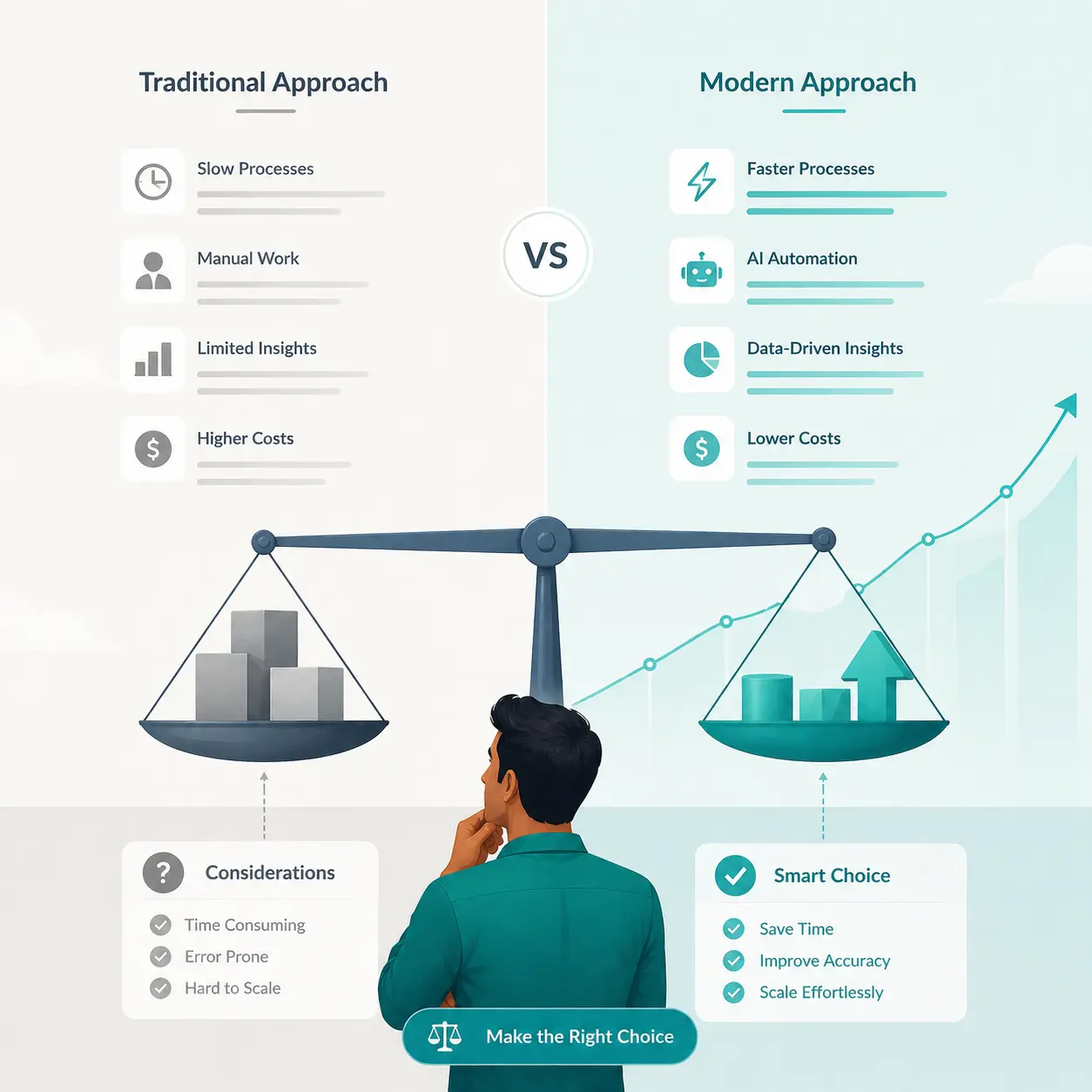
AI roleplay tools are essential for high-volume skill practice. Look for: realistic conversation quality, rapid content creation, real-time feedback, and measurable progress tracking. The best programs combine AI practice (for repetition and muscle memory) with human roleplay (for complex scenarios and coaching). SalePlay leads in AI conversation realism; Second Nature excels at structured certification.
The Rise of Sales Roleplay Technology
Roleplay has always been recognized as one of the most effective ways to develop sales skills. The challenge was always execution: it requires significant time from managers or peers, it's inconsistent, it doesn't scale, and many reps find it uncomfortable.
Technology now offers solutions to these problems. AI roleplay tools provide unlimited practice opportunities with realistic, adaptive conversation partners. But not all roleplay tools are equal. This guide explores what to look for when evaluating sales roleplay solutions.
AI vs Human Roleplay: Understanding the Trade-offs
Traditional Human Roleplay
Advantages:
- Nuanced, unpredictable responses
- Relationship building with coaches
- Real-time coaching and adjustment
- Cultural and emotional intelligence
- No technology barriers
Disadvantages:
- Expensive — requires manager or peer time
- Doesn't scale — limited availability
- Inconsistent — quality varies by partner
- Scheduling challenges — requires coordination
- Social anxiety — many reps avoid it
AI-Powered Roleplay
Advantages:
- Unlimited availability — practice any time
- Consistent quality — same standard every session
- Scalable — serves entire team simultaneously
- Objective feedback — no relationship bias
- Lower barrier — less social anxiety
- Trackable — data on every session
Disadvantages:
- May feel less "real" than human interaction
- Limited emotional intelligence (improving rapidly)
- Requires technology comfort
- Can't fully replicate complex negotiations
The Optimal Approach
The best programs combine both. AI handles high-volume skill building — the 50-100 repetitions needed to build muscle memory. Human roleplay addresses complex scenarios, provides relationship-based coaching, and validates skills developed through AI practice.
| Factor | AI Roleplay | Human Roleplay |
|---|---|---|
| Availability | 24/7, unlimited | Schedule-dependent |
| Scalability | Entire team at once | One-on-one or small groups |
| Consistency | Same standard every time | Varies by partner |
| Emotional Intelligence | Improving rapidly | Full nuance |
| Complex Negotiations | Limited | Excellent |
| Social Anxiety Barrier | Low | High for many reps |
| Cost per Session | Very low | High (manager time) |
| Best For | High-volume repetition | Complex scenarios, coaching |
Think of AI roleplay like a batting cage. It builds fundamental skills through repetition. But you still need scrimmages and games to fully develop. AI roleplay is the batting cage — essential, but part of a complete program.
Synchronous vs Asynchronous Practice
Synchronous (Real-Time) Roleplay
Real-time roleplay happens live, whether with AI or humans. The rep speaks, receives an immediate response, and must continue the conversation without pause.
Benefits:
- Mirrors real sales conversations
- Builds performance under pressure
- Develops real-time thinking skills
- More engaging and immersive
Challenges:
- Requires dedicated time blocks
- Higher pressure may intimidate some learners
- Technical issues more disruptive
Asynchronous (Text-Based or Recorded) Practice
Async practice allows reps to respond at their own pace. This might be text-based chat, recorded video submissions, or written exercises.
Benefits:
- Flexible — practice fits into any schedule
- Lower pressure — time to think and refine
- Reviewable — can analyze own responses
- Accessible — works across time zones
Challenges:
- Doesn't build real-time performance skills
- Less immersive and engaging
- May not transfer to live situations
Which to Prioritize?
For most sales roles, synchronous practice should be primary. Sales happens in real-time; training should reflect that. Asynchronous practice works for initial learning, reflection, and situations where scheduling live practice is impossible.
The best platforms support both modes, letting teams choose based on the skill being developed and logistical constraints.
Evaluating Feedback Quality
Feedback is where roleplay tools differentiate most significantly. Practice without good feedback risks reinforcing bad habits. Here's what to evaluate:
Timing
Immediate feedback is dramatically more effective than delayed feedback. The closer to the action, the stronger the learning. Look for platforms that provide feedback during or immediately after practice, not hours or days later.
Specificity
Generic feedback ("good job" or "needs improvement") doesn't drive learning. Effective feedback identifies specific phrases, techniques, or moments. "Your response to the pricing objection at 2:34 focused on features rather than value. Try leading with the ROI data point instead."
Actionability
Feedback should include concrete suggestions for improvement. Telling a rep they "lack confidence" doesn't help. Telling them to "pause after your opening question to let the prospect respond fully" gives them something to do differently.
Consistency
Feedback should be consistent across sessions and reps. One advantage of AI is that it applies the same standards every time. Human feedback varies by the coach's mood, attention, and biases.
Multi-Dimensional
Sales conversations involve multiple skills: questioning, listening, objection handling, product knowledge, rapport building. Good feedback addresses multiple dimensions, not just whether the rep "won" the roleplay.
Key Features to Evaluate
Conversation Realism
Does the AI respond like a real buyer? Can it handle unexpected inputs? Does it push back appropriately? Does it feel scripted or natural? The more realistic the practice, the better it transfers to real situations.
Test: Try to "break" the AI with unusual responses. See how it handles tangents, non-sequiturs, and edge cases.
Scenario Customization
Can you create scenarios matching your specific products, personas, and objections? Generic scenarios have limited value. You need practice that reflects your actual selling situations.
Test: Create a scenario for your most common sales situation. Does the AI understand your product and buyer context?
Content Integration
How easily can you incorporate existing training materials? Can you upload product docs, competitive battlecards, or call recordings to inform scenarios?
Test: Upload a product document. How effectively does the platform use that content in practice scenarios?
Progress Tracking
Can managers see which reps are practicing and how they're performing? Can reps see their own improvement over time? Data should be actionable, not just accumulated.
Test: Review the analytics dashboard. Does it tell you something useful, or just report vanity metrics?
Certification Capabilities
If you need to certify competency before reps engage customers, does the platform support that workflow? Can you set thresholds and gate progression?
Test: Set up a certification scenario. Is the assessment fair and accurate?
Implementation Considerations
Setup Time and Effort
How long until reps can start practicing? Some platforms require weeks of scenario development; others are ready in days. Factor this into your timeline and resource planning.
Adoption Requirements
Will reps actually use it? The best platform in the world is worthless if it sits unused. Look for low friction, intuitive interfaces, and features that make practice engaging rather than tedious.
Integration Needs
Does it connect with your LMS, CRM, or other sales tools? Siloed tools create extra work. Integration enables workflows like triggering practice based on CRM events or syncing completion data to your LMS.
Support and Success Resources
What help is available during implementation and ongoing use? Some vendors offer extensive success resources; others provide only basic documentation.
Questions to Ask Vendors
When evaluating roleplay tools, ask vendors these questions:
- How does your AI handle unexpected or off-script responses?
This reveals whether the AI is truly adaptive or following rigid scripts. - Show me how feedback is delivered. Can I customize what gets evaluated?
Understand the feedback mechanism before committing. - How quickly can I create a custom scenario for my specific product?
Test the content creation workflow, not just the demo scenarios. - What does adoption look like for your typical customer? What percentage of reps actively use the platform?
Honest vendors will share realistic adoption data. - How do you handle [your most common objection] in practice scenarios?
Test with your specific use case, not generic examples.
Making Your Selection
The right roleplay tool depends on your priorities:
If realism is paramount: Choose platforms with dynamic, adaptive AI that responds naturally to any input. Scripted scenarios feel artificial and limit transfer to real situations.
If you need formal certification: Choose platforms with structured assessment and reporting. Some platforms focus on practice volume; others on competency verification.
If speed matters: Choose platforms with rapid scenario creation and simple setup. Don't let implementation delays prevent reps from practicing.
If budget is constrained: Compare total cost of ownership including implementation. Lower per-seat pricing doesn't help if setup costs are high.
Trial multiple options with real users. Rep feedback on which platform they prefer to use matters enormously — the best features are worthless if adoption fails.
Bottom Line
Choose SalePlay if you prioritize realistic, adaptive AI conversations and want reps practicing as if they were on real calls. Choose Second Nature if you need structured certification with detailed compliance tracking. Choose video-based tools (Brainshark, Allego) if you want async practice with peer feedback. For most teams, AI roleplay with dynamic conversations (like SalePlay) provides the best skill transfer to real selling situations.
Sales roleplay technology has reached a maturity where AI practice genuinely accelerates skill development. The key is choosing a tool that fits your team's needs, deploying it thoughtfully, and building practice into your culture. The technology works; success depends on implementation.
Ready to practice what you learned?
Turn knowledge into muscle memory with AI-powered roleplay.
Start Practicing Free